Ghana's Development Strategy
Ghana is regarded as a democratically established core nation in West Africa—with stable institutions, a pluralistic media landscape, and repeated changes of government through elections. This political reliability makes Ghana a preferred partner for international cooperation.
At the same time, the country faces major structural challenges: climate-related risks to crop yields in the north, pressure from urbanization in the south, high youth unemployment, and an education system that in many places is failing to keep pace with demographic change. Despite economic liberalization and technological progress, the socioeconomic divide between regions, generations, and sectors remains clearly evident.
With its active role in the 2030 Agenda and its clear focus on development, Ghana is a strategic priority country for the Green Nations Foundation’s work in West Africa.
.jpg)
National Reform Framework for Employment, Industrialization, Climate Change, and Governance
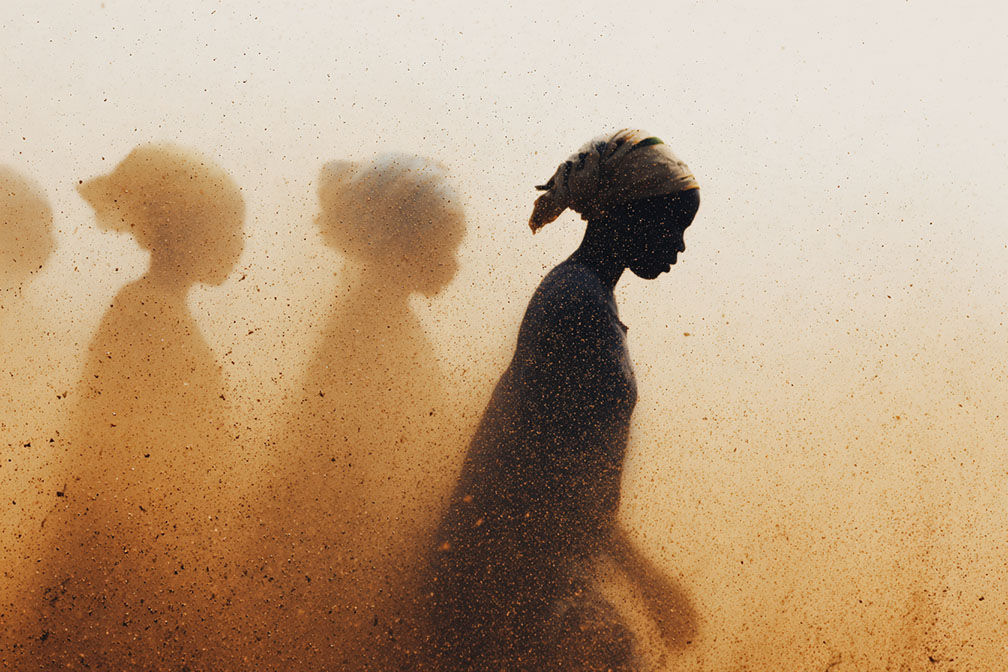
Development of a self-sustaining, resource-based economic model that generates local value
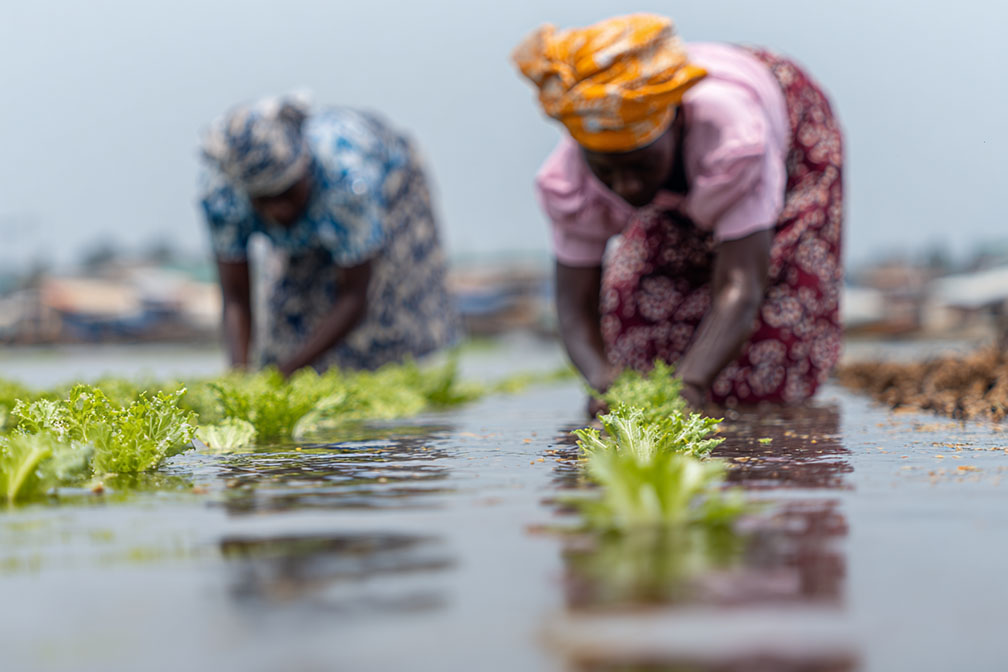
Strengthening the district level as the primary vehicle for participatory development planning and budgetary responsibility
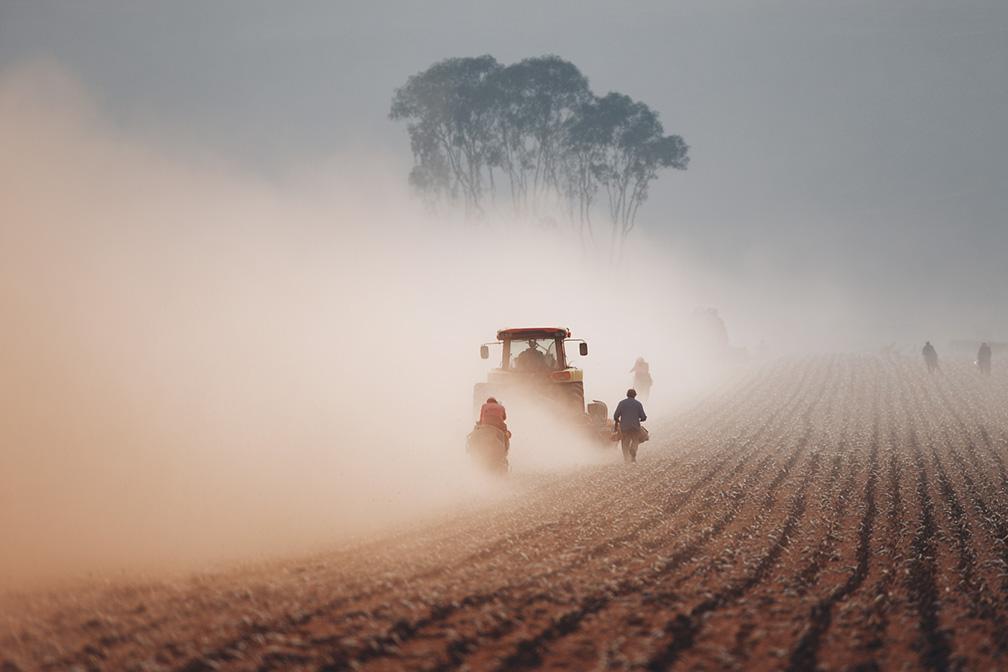
Key areas: climate-resilient agriculture, coastal protection, circular economy, sustainable energy
In addition, the Ghana CARES “Obaatanpa” program is currently being implemented—an economic stimulus package designed to address the consequences of the pandemic and accelerate the green transition, with a particular focus on SMEs, youth employment, and digitalization.
Despite declines in the national poverty rate, more than 60% of the population in regions such as the Upper West and North East still live below the poverty line. Access to water, electricity, healthcare, and education is highly unevenly distributed.
More than 40% of the unemployed are under 25 years of age. Vocational training systems do not reach all segments of the workforce, particularly in the informal sector. Technical and practical qualifications and digitally oriented training programs are unevenly distributed across regions.
Northern Ghana is increasingly affected by drought, while the south suffers from coastal erosion and flooding. Lake Volta, which is central to the country’s energy and drinking water supply, is steadily losing its storage capacity due to sediment buildup.
Gold, bauxite, manganese, and cocoa dominate exports—yet value-added processing and the innovation economy remain limited. Environmental damage caused by illegal small-scale mining (“galamsey”) threatens water resources and ecosystems.
Ghana stands on the threshold of ecological and economic transformation—provided that structural inequalities and systemic capacity gaps are strategically addressed.
Ghana is home to the Africa Adaptation Acceleration Program (AAAP) —a pan-African innovation platform for climate-smart agriculture, coastal protection, and infrastructure adaptation, supported by the GCA and the AfDB.
As part of the G20’s Compact with Africa , Germany, France, and the World Bank are engaged in investment and governance partnerships, including in the energy, digitalization, and urbanization sectors.
Through the "Green Economy Ghana" program, the EU supports the promotion of sustainable production systems, SMEs, and youth employment. The program focuses on the Ashanti, Greater Accra, and Northern regions of Ghana.
The Green Nations Foundation is active in Ghana in areas where local innovation meets structural leverage:
– Rural Development & Agroecological Innovation
Promoting climate-resilient farming and marketing systems in the Northern Savanna Zones
– Vocational training & youth entrepreneurship support
Establishing regional training centers and providing access to financing for green startups
– Water, soil, and resource conservation
Restoration of degraded land, protection of watersheds, agroforestry systems
– Participatory Governance & Decentralized Impact
Support for regional development plans (e.g., DMTDPs) with a focus on impact assessment and social cohesion
Our work in Ghana makes a measurable contribution to the achievement of the following goals of the 2030 Agenda:
.jpg)
.jpg)
.jpg)
.jpg)
.png)