Kenya's Development Strategy
For years, the government has been pursuing a combined strategy of economic modernization, poverty reduction, and environmental resilience:
Kenya is one of the leading countries in East Africa in terms of economic and institutional development. As a regional hub for trade and services, with a growing industrial sector, a vibrant innovation scene (including “Silicon Savannah”), and a strategic location on the Indian Ocean, Kenya is regarded as a key country for sustainable transformation in East Africa.
At the same time, the country faces complex challenges: rapid population growth, rising social inequality, continued dependence on rain-fed agriculture, and the growing impacts of climate change are straining its ecological carrying capacity and social stability.
Cities such as Nairobi, Mombasa, and Kisumu are growing rapidly—yet rural areas are often still plagued by poverty, poor infrastructure, and limited economic diversification. Kenya thus combines opportunities and challenges that are emblematic of the dynamics of development in sub-Saharan Africa.
For years, the government has been pursuing a combined strategy of economic modernization, poverty reduction, and environmental resilience:
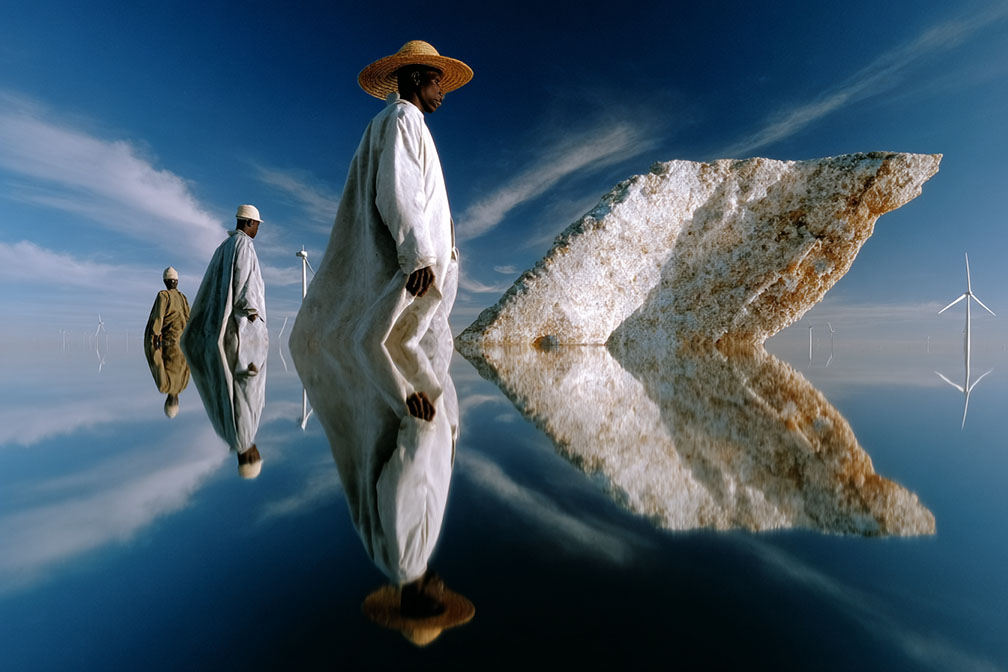
Long-term development plan to transform Kenya into an industrialized, equitable, and prosperous society—with pillars focused on the economy, social issues, and governance.
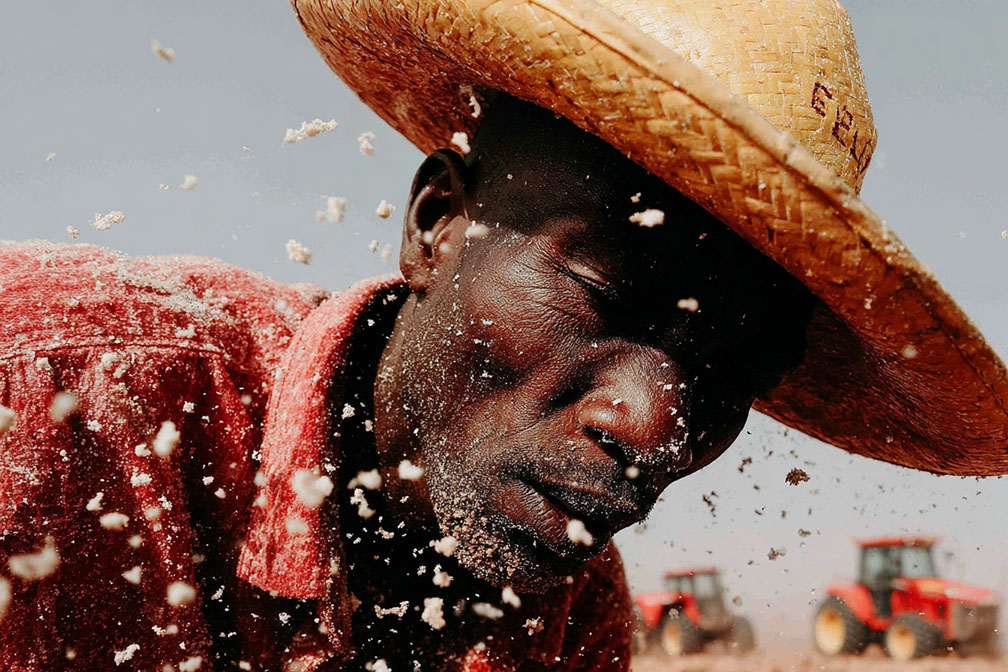
Since 2022, a key strategy for supporting low-income households, rural development, strengthening small and medium-sized enterprises, and promoting regional equity.
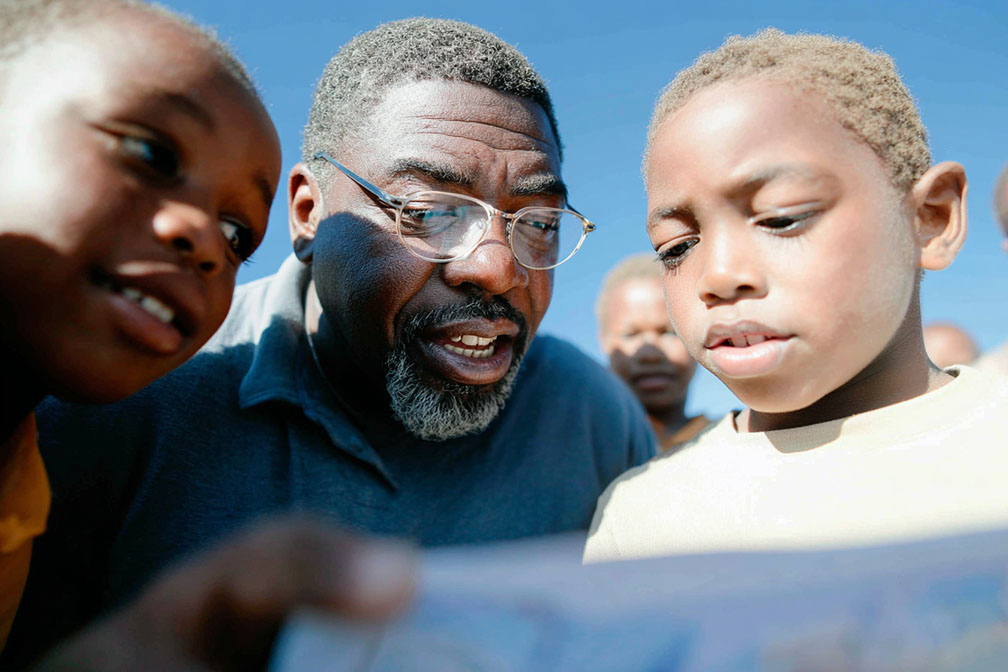
A framework for national climate adaptation and emissions reduction—particularly in the agriculture, water, energy, and urban resilience sectors.
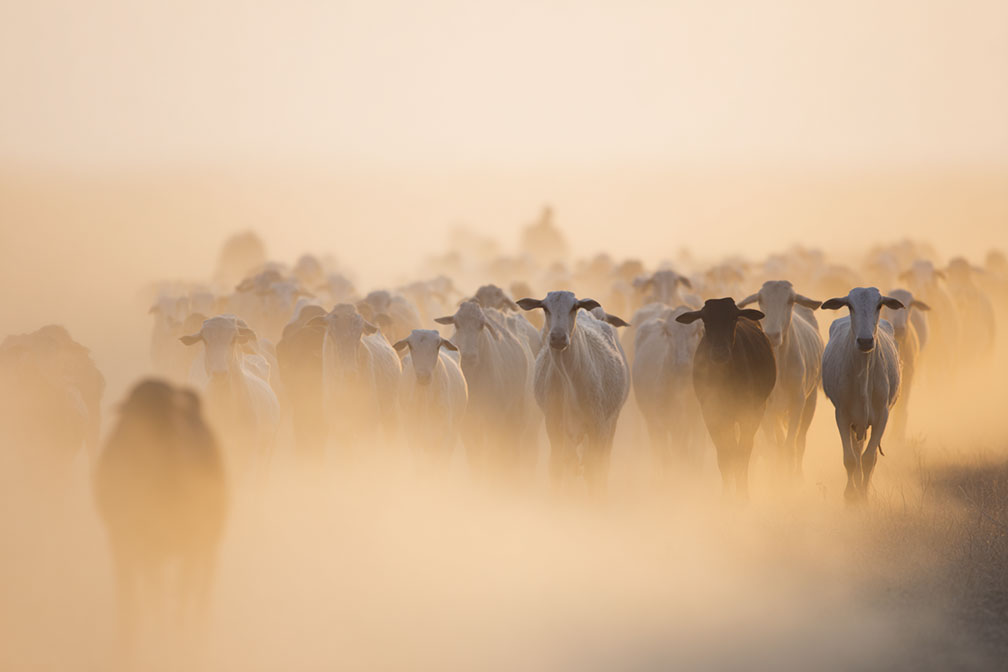
Modernizing the agricultural sector, expanding market integration, and promoting climate-resilient farming systems in semi-arid regions.
These policies are interlinked: Kenya is committed to an economically inclusive, environmentally sustainable model that strategically manages both urbanization and rural transformation.
More than 80% of the country is arid or semi-arid. Droughts, heavy rains, and soil degradation are increasingly threatening food security. Millions of people are affected by food insecurity every year. Only a fraction of the agricultural land is irrigated.
The population is growing by approximately 2.3% annually. Over 60% are under the age of 25. Despite increasing access to education, young people’s integration into the labor market remains precarious—especially in rural areas and the informal sector.
Urbanization, agriculture, and climate change are putting pressure on water resources. Regions such as Turkana and Garissa suffer from severe water scarcity. At the same time, many areas lack decentralized solutions for water storage, treatment, and distribution.
Despite the growth of urban centers such as Nairobi, economic development remains highly uneven. Peripheral regions (e.g., Marsabit, West Pokot, Mandera) struggle with inadequate infrastructure, climate vulnerability, and historical neglect.
Kenya is the host country for the United Nations Environment Programme (UNEP) and UN-Habitat. It is one of the most active countries in East Africa in international climate and biodiversity forums—including COP27, the CBD, and AFR100.
The AfDB, the World Bank, the GCF, and bilateral partners such as Germany, Sweden, and Norway support programs focused on climate adaptation, forestry, energy, and food security—including through the Climate-Smart Agriculture Program.
Kenya is a pioneer in geothermal energy in Africa (with over 900 MW installed), is investing in wind, solar, and off-grid systems, and receives support through the Global Energy Alliance for People and Planet (GEAPP), Power Africa, and bilateral energy funds.
Kenya is not a marginal player, but a key contributor to multilateral environmental and development agendas—institutionally, financially, and diplomatically.
The Green Nations Foundation focuses on four key areas of impact in Kenya:
– Climate-resilient agriculture and food systems
Promotion of agroforestry systems, resilient seeds, local seed management, and market integration in semi-arid regions such as Kitui, Makueni, and Turkana.
– Vocational Training & Youth Development
Partnerships with educational centers, TVET schools, and incubators to provide training for young people in solar energy, irrigation technology, the circular economy, and green startups.
– Water infrastructure & decentralized supply
Development of water storage solutions, solar-powered pumping systems, and local water cooperatives—particularly in drought-prone regions and peri-urban areas.
– Participatory Regional Development & Governance
Support for local planning and administrative structures within the framework of the County Development Agendas, particularly in fragile regions highly vulnerable to climate change.
Green Nations' work in Kenya specifically strengthens:
.jpg)
.jpg)
.jpg)
.jpg)
.png)