Senegal's Development Strategy
The Government of Senegal is steering its long-term development through a combined approach that emphasizes economic diversification, social balance, and environmental sustainability:
Senegal is regarded as a politically stable country undergoing reform, with growing regional significance in West Africa. The country combines democratic institutions, a young, increasingly urbanized population, and a strategic coastal location with major socioeconomic challenges in its inland regions.
Economic development has been on a positive trajectory for years (with growth of 5–6%), driven by investments in infrastructure, energy, and agriculture. At the same time, social realities remain divided: poverty rates in rural areas, structural youth unemployment, and climate-related risks in coastal and Sahel regions make it clear that Senegal must ensure its progress is more broadly anchored both institutionally and socially.
With a clear national transformation agenda—Vision Senegal 2050—and an active role in multilateral alliances, Senegal offers an open environment for sustainable development initiatives.
The Government of Senegal is steering its long-term development through a combined approach that emphasizes economic diversification, social balance, and environmental sustainability:
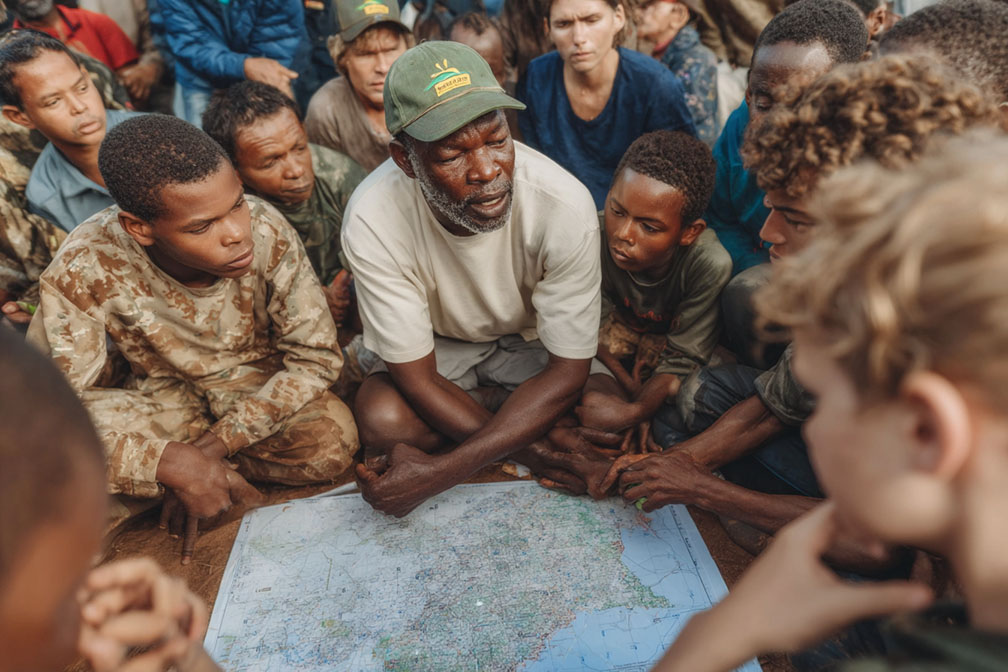
A centralstrategic and investment framework based on three pillars: economic diversification, social equity, and good governance.
A long-termvision for a sovereign, equitable, and environmentally sustainable Senegal by mid-century—with a focus on regional balance, domestic value creation, and the modernization of education, agriculture, and energy.
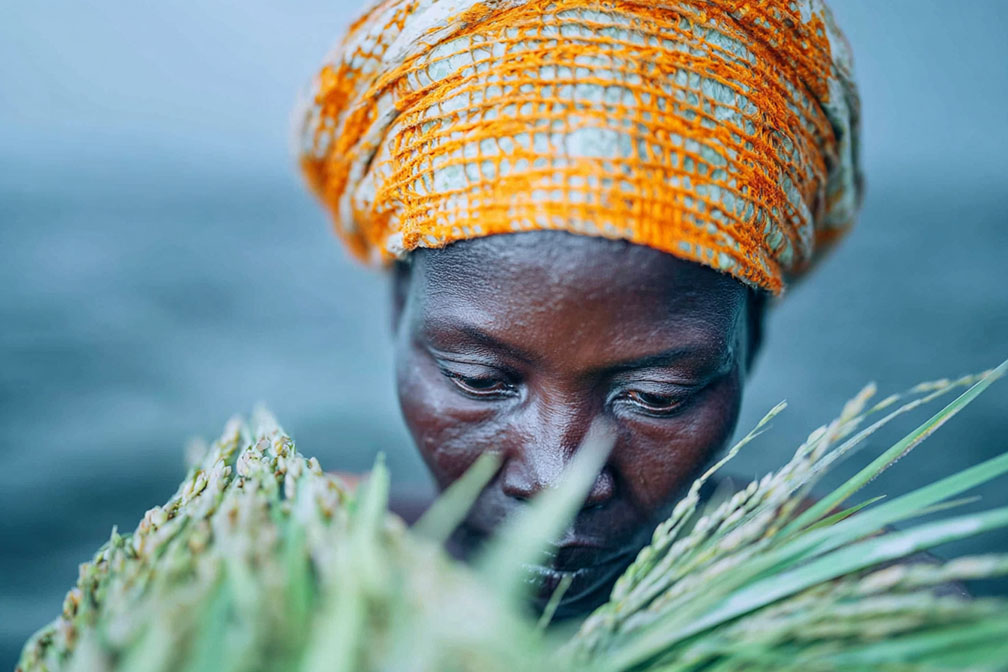
This includes full electrification by 2029 and an increase in renewable energy to 40% by 2030.
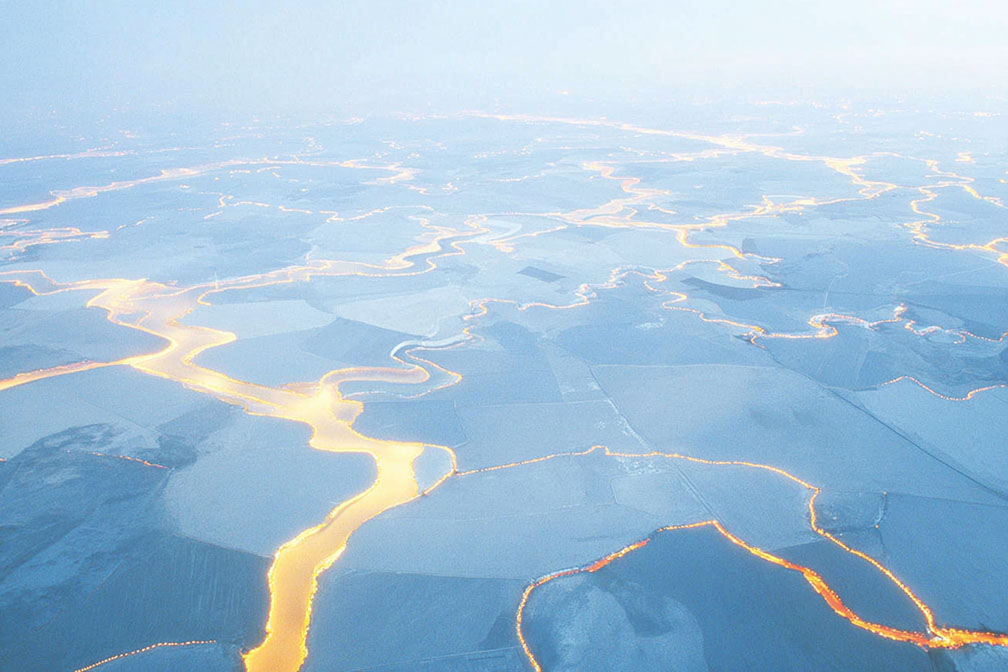
Promotes digital infrastructure, innovation, and technological transformation as drivers of growth.
These policies are interlinked: Senegal is committed to an inclusive and environmentally sustainable development model that strategically combines regional balance, modern energy supply, and digital innovation.
About 75% of the population is under 35 years old. Youth unemployment stands at over 20%—with significant regional and gender-based variations. The informal sector dominates, and many young people are migrating to cities or abroad.
Economic growth is concentrated in the greater Dakar area, while regions such as Casamance, Ferlo, and the border areas with Mali remain underserved. In rural areas, poverty rates are twice as high as in urban areas.
Senegal is severely affected by climate-related fluctuations: drought in the north, flooding in the south. Only 2% of agricultural land is irrigated; 70% of food security depends on rain-fed agriculture. The country imports over 60% of its rice.
Coastal areas such as Saint-Louis are threatened by erosion; entire communities have already had to be relocated. Rising sea levels are affecting both urban and rural areas. According to the ND-GAIN Index, Senegal ranks among the 40 most vulnerable countries in the world.
Senegal actively participates in regional and international cooperation forums:
– Reforestation and climate adaptation in the Sahel
for Energy Access and Transition
for Energy, Agriculture, Vocational Training, and Coastal Protection
With the new Compact d’Émergence Durable, Senegal is positioning itself as a pilot country for climate-resilient development led by Africa itself.
In Senegal, Green Nations focuses on four strategic areas of impact:
– Rural Resilience
–through water-efficient agriculture, agroforestry systems, and soil regeneration
– Youth Development & Vocational Training
– with a focus on energy, agricultural processing, and the circular economy
– Climate Change & Coastal Protection
–through nature-based solutions, erosion control, and early warning systems
– Decentralized Development & Governance
– Strengthening local governments and regional planning capacity
The foundation participates in national dialogue forums, coordinates its efforts with existing development plans (Vision 2050), and focuses on achieving impact through institutional integration.
The work in Senegal focuses in particular on:
.jpg)
.jpg)
.jpg)
.jpg)
.jpg)
.png)